A Practical Guide to Evaluating Your Pet’s Weight at Home
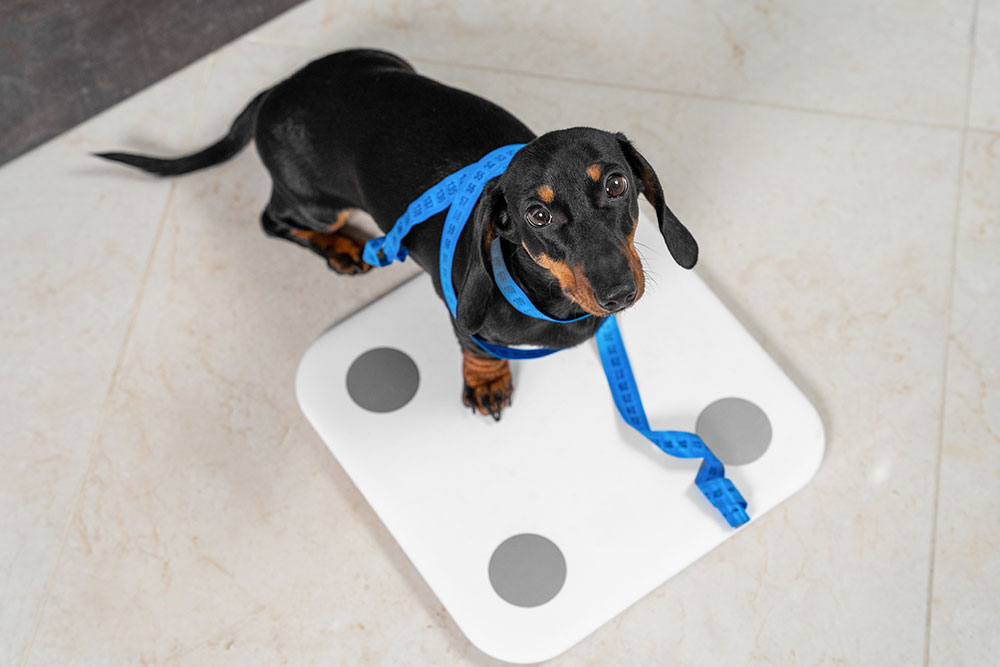
When it comes to your pet’s health, the number on the scale is only one small piece of the story. Two dogs can weigh exactly the same and still have very different body conditions. One may be lean and athletic, while the other may be carrying extra body fat that affects energy, mobility, and long-term health. That’s why veterinarians rely on body condition scoring, a simple, hands-on method that evaluates your pet’s overall shape and fat coverage. Instead of focusing only on pounds, body condition scoring asks more useful questions such as whether ribs are easy to feel, whether there is a visible waist, and whether the abdomen has a natural tuck. These everyday observations provide a clearer picture of whether your pet is thriving or quietly drifting into a riskier weight range.
At Driftwood Animal Hospital in Daytona Beach, we emphasize body condition assessment as a key part of preventive care, because it helps us identify early warning signs long before they become bigger health problems. During thorough nose-to-tail physical examinations, our team evaluates your pet’s body condition and muscle tone and uses that information to provide realistic nutrition and lifestyle guidance. We also believe pet owners should feel confident checking their pet’s shape at home, because small changes are easier to correct when they are noticed early. If you would like help interpreting what you see and feel, you can set up an appointment for a full body condition evaluation and personalized feeding recommendations.
At Driftwood, we incorporate body condition scoring into every wellness visit and follow-up plan, then tailor nutrition and activity to your pet’s breed, age, and lifestyle. If you have noticed subtle changes like decreased stamina, slower movement, difficulty jumping, heavier breathing, or a different “feel” when you pet your dog or cat, it is worth scheduling a check-in. Our team can guide safe next steps through a hands-on evaluation, in-house diagnostics when needed, and a practical plan you can follow with confidence at home.
Why body condition tells you more than the scale
Healthy weight is not one number, and it is not the same for every breed, body type, or age. A healthy body condition reflects an appropriate balance of lean muscle and fat coverage, along with comfortable movement and energy. Body Condition Scoring (BCS) is a standardized tool that looks at fat distribution and muscle, along with weight, which is why it is more helpful than the scale alone. A stocky, muscular Labrador and a petite mixed breed dog may both weigh 55 pounds, but their healthiest shape and ideal feeding plan can look very different. The same is true for cats, where long coats and natural body shape often hide weight gain until it is significant.
During preventive visits, our team uses BCS to monitor trends, discuss lifestyle, and screen for underlying health issues that can influence weight. If you have been worried that your pet’s weight is creeping up or dropping down, schedule periodic check-ins so we can provide coaching, accountability, and adjustments before weight changes affect quality of life.
The 9-point BCS scale, explained simply
Body condition scoring places pets on a 1–9 scale, where the goal for most pets is an ideal score of 4 or 5. Here is a quick breakdown:
- 1: Severely underweight with obvious ribs, hips, and spine
- 2–3: Underweight with prominent ribs and a sharply defined waist
- 4–5: Ideal with ribs easy to feel, a visible waist, and a gentle abdominal tuck
- 6–7: Overweight with ribs harder to feel, a faint waist, and reduced tuck
- 8–9: Obese with no waist or tuck and noticeable fat pads over the ribs, lower back, and base of tail
The most helpful part is learning how to check your pet at home using your hands and eyes, not just a number. Use these steps:
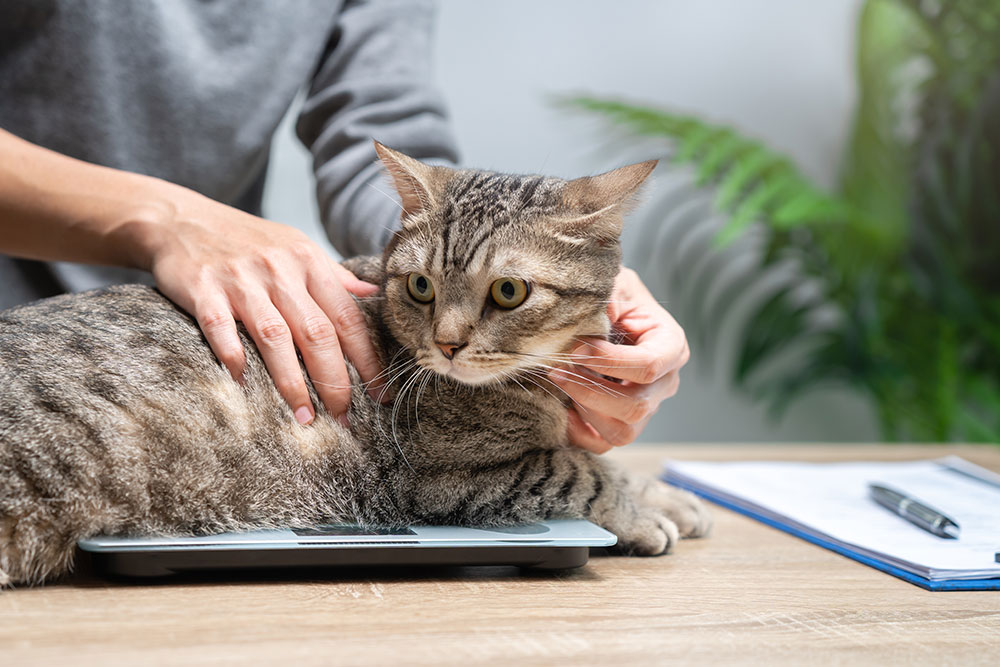
- Feel the ribs: You should feel ribs with gentle pressure, similar to the back of your hand. If ribs feel like knuckles, your pet may be underweight. If they feel like a soft palm with a thick layer between you and the ribs, your pet may be overweight.
- Look from above: There should be a mild “hourglass” shape behind the ribs.
- Look from the side: A healthy abdomen slopes upward behind the rib cage instead of hanging straight down.
- Check for fat pads: Common areas include the ribs, base of tail, along the spine, and in cats, a pendulous lower belly.
- Remember coat tricks: Thick or fluffy coats hide contours, so rely on touch more than appearance.
If you are not sure where your pet fits, you are not alone. Many owners find it difficult to judge until someone shows them what ideal ribs and waist feel like in real life. You can request an appointment for a hands-on BCS check and a realistic plan that supports healthy progress.
Why getting weight right protects long-term health
The health costs of overweight and underweight pets
Extra body fat does more than change appearance. It increases inflammation in the body and raises the risk of several serious conditions over time. Overweight pets have higher odds of developing diabetes mellitus, arthritis, urinary stones, intervertebral disc disease, and systemic hypertension. Carrying extra weight also compounds risks for heart disease and increases the likelihood of heat stroke during Florida’s warmer, humid months, especially when pets are exercising.
Being underweight is not safer, either. Low body fat and muscle can weaken immunity, make temperature regulation harder, and reduce strength and balance. A pet that is losing weight without a clear reason may be dealing with metabolic changes, gastrointestinal disease, dental pain, organ disease, or chronic infection, all of which require prompt evaluation. If you are noticing weight loss, a reduced appetite, changes in stool, vomiting, difficulty chewing, or lower energy, it is best to schedule an appointment sooner rather than later. If you are concerned about risk, please request an appointment so we can help you understand what is happening and build the right plan.
Nutrition that matches your pet’s body condition
Setting portions and calories with purpose
Right-sized portions are one of the simplest and most effective ways to prevent slow weight gain. Many pets gain weight quietly over months, not weeks, which is why small daily changes matter. Begin with the feeding guide on your pet’s food label, then refine it using your pet’s body condition trend. Feeding guidelines are starting points, not personalized recommendations. Your pet’s age, activity level, metabolism, and health conditions all influence what “right” looks like.
Helpful resources include practical tips on how much to feed your pet and a pet calorie calculator to estimate baseline energy needs. Once you have a starting number, focus on consistency and monitoring.
Principles we follow:
- Choose complete, balanced diets that list calories per cup or can so portions can be measured accurately.
- For weight loss, emphasize higher protein and appropriate fiber to support satiety and preserve muscle.
- Measure with a digital kitchen scale, because scoops vary more than most people realize.
- Keep treats to 10 percent or less of daily calories, because treats are one of the most common hidden sources of excess energy.
- Reassess every 2–4 weeks and adjust gradually based on trends, not daily fluctuations.
If you would like a plan that fits your home routine and your pet’s needs, schedule a nutrition consultation as part of preventive care.
Proven strategies to prevent and reverse excess weight
Successful weight management is consistent, compassionate, and measurable. Most pets do best when changes are steady, structured, and paired with a routine the whole household can follow. Here are strategies that tend to work well long term:
Activity and enrichment:
- Dogs do well with short, frequent walks and gentle play rather than occasional intense exercise.
- Training games build mental stimulation and movement while strengthening your bond.
- Cats benefit from vertical spaces, hunting-style play, and quick bursts of activity throughout the day.
- Timed feeders and puzzle toys can encourage cats to move and “work” for food naturally.
Gradual changes with monitoring:
- Aim for steady loss in dogs and very gradual loss in cats to reduce the risk of hepatic lipidosis.
- Both weight loss for dogs and weight loss for cats require species-specific approaches, so plans should be tailored rather than copied from human weight loss strategies.
If you are ready to start, a structured plan makes the process feel much easier and far less stressful. You can request an appointment and we will map out a practical month-by-month plan with clear targets, treats that fit, and realistic expectations.
Myths that keep pets from their healthy shape
Common missteps owners make, and what to do instead
- “He looks hungry, so another scoop will help.” Most begging is habit, not true hunger. Try offering playtime, a short training session, or a puzzle feeder to meet your pet’s need for attention without adding calories.
- “She needs a little extra weight to be safe.” Extra fat does not protect the body. It stresses joints, increases inflammation, and can worsen underlying disease. Muscle provides strength and resilience, not excess fat.
- “Treats do not count.” Treats always count. Even small snacks add up quickly, especially for cats and small breed dogs. Pre-measuring a daily treat allotment is one of the most effective strategies for long-term success.
- “He will exercise it off later.” Exercise is important, but most weight gain happens from too many calories, not too little movement. A combined approach works best.
If routines feel hard to change, you do not have to do it alone. You can schedule a consultation and our team can help you build a plan that feels realistic and sustainable for your household.
The veterinarian’s role in safe, sustainable change
Medical screening and individualized plans
Not every weight change is about food. Thyroid disease, Cushing’s, diabetes, gastrointestinal issues, dental pain, and arthritis can alter appetite, metabolism, or activity. At Driftwood, we pair a thorough exam with targeted diagnostics to distinguish dietary factors from medical causes. With basic and advanced lab services, digital X-rays, ultrasound imaging, and capabilities in internal medicine, dermatology, endocrinology, and pain management, we move quickly from guesswork to answers.
When weight is the primary issue, we build gradual, joint-friendly plans that preserve muscle and improve stamina. Your plan may include measured nutrition, low-impact exercise, simple home routines, and checkpoints to keep progress steady. For pets needing orthopedic support during weight loss, our surgical services include ACL repair and other procedures that restore mobility and comfort.
Ongoing monitoring with BCS at every stage of life
BCS isn’t a one-time number. Puppies and kittens grow fast and need frequent recalibration. Adults benefit from seasonal check-ins, and seniors need closer monitoring as metabolism and activity shift.
We recommend scheduled progress visits to recheck weight, BCS, and muscle condition, then fine-tune portions and activity. If it’s been a while since your pet’s last wellness assessment, request an appointment and we’ll get you back on track.
Your action plan for a healthier body condition
Use this checklist to keep things simple:
- Once weekly, feel the ribs and note the waist and abdominal tuck.
- Track portions with a measuring cup or scale; count treats in the daily total.
- Watch for changes in energy, play, and stamina.
- Adjust gradually if trends creep up or down; recheck every 2–4 weeks.
- Book a professional assessment any time you’re unsure.
Professional support turns good intentions into measurable results. Our Like Family approach means clear recommendations and compassionate coaching, never judgment. For a personalized evaluation and feeding plan, contact us or set up an appointment for a full BCS and nutrition consult with our team in Daytona Beach.
Ready to feel confident about your pet’s weight?
The key takeaway: body condition tells the true story of health, mobility, and longevity. With hands-on scoring, smart nutrition, and consistent monitoring, you can protect your pet’s comfort and add quality years to their life. For guidance tailored to your dog or cat, explore our comprehensive veterinary services, then request an appointment so we can create a practical, sustainable plan together.






Leave A Comment