
Easing the Panic: What Separation Anxiety Really Feels Like for Pets
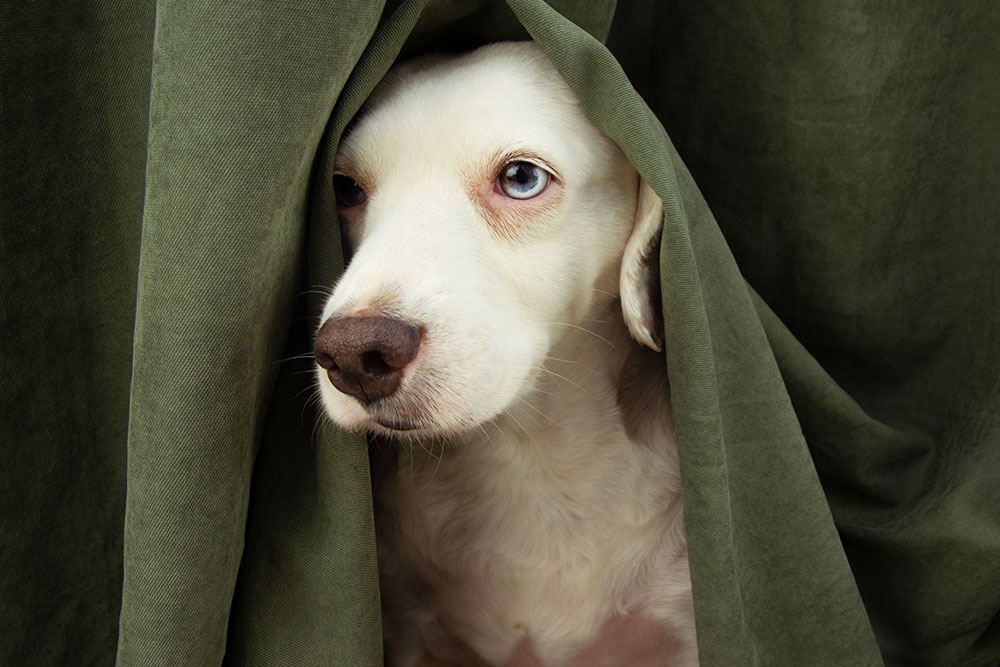
Your pet watches you grab your keys, tail drooping, eyes fixed on the door. Minutes later, that anxiety can turn into pacing, whining, or destructive behavior. Separation anxiety is not bad behavior, it’s a sign of fear. Helping pets through this condition takes patience, structured routines, and often professional support to rebuild confidence and trust when they’re home alone.
At Driftwood Animal Hospital in Daytona Beach, FL, our team understands the deep bond between pets and their people. We treat every animal like family, offering compassionate behavioral support alongside our comprehensive medical care to help anxious pets feel safe and secure.
What Separation Anxiety Looks Like in Dogs and Cats
Separation anxiety is a behavioral condition rooted in emotional distress, not a result of poor training or misbehavior. Pets experiencing it feel overwhelmed and unsafe when left alone, often reacting with behaviors that reflect their struggle to cope with the absence of their trusted people.
Separation Anxiety in Dogs
Separation anxiety in dogs manifests in predictable patterns. Dogs may vocalize excessively, scratch at doors, chew furniture, or urinate indoors despite being housetrained. Some pace continuously or drool heavily, while others attempt to escape through windows or crates, risking injury.
Separation Anxiety in Cats
Cats experience separation anxiety differently but just as intensely. They may hide, over-groom to the point of hair loss, refuse food, or vocalize persistently when left alone. Some cats eliminate outside the litter box or become destructive, behaviors often mistaken for litter box aversion or boredom.
Both species often show signs before you even leave. Shadowing you from room to room, trembling when you pick up your bag, or refusing treats are all indicators that your pet associates your departure with fear.
Our services include behavioral evaluations to help identify anxiety triggers and create management plans tailored to your pet’s needs.
Why Pets Develop Separation Anxiety
Understanding the root causes of separation anxiety helps pet owners approach treatment with empathy and patience. Separation anxiety often develops from a combination of genetics, early experiences, and environmental changes.
- Major life transitionslike moving to a new home, changes in work schedules, or the loss of a family member can trigger anxiety in previously confident pets. Dogs and cats thrive on routine, and disruptions shake their sense of security.
- Behavioral problems in dogs frequently stem from inadequate early exposure. Puppies and kittens who miss critical socialization windows may struggle with independence later in life. Socialization of puppies and kittens during the first few months shapes their ability to handle stress, unfamiliar situations, and time alone.
- Rescue animals with unknown historiesmay carry trauma from abandonment or rehoming.
- Even pets raised in stable homes can develop anxiety if they’ve never learned that departures are temporary and safe.
Prevention starts early. Gradual alone-time training, positive experiences during absences, and consistent routines build confidence from the start. If you’re bringing home a new puppy or kitten, our team can guide you through socialization strategies that reduce future anxiety risks.
Pet Training Through Positive Reinforcement
Punishment never resolves separation anxiety, it only deepens fear. Humane, reward-based methods teach pets that being alone is safe and even rewarding.
- Positive dog training methods focus on building trust through consistency and patience. Desensitization gradually increases the duration of absences, starting with just seconds and building to minutes, then hours.
- Counter-conditioningpairs your departure cues, keys, shoes, coats, with high-value treats or play, changing the emotional response from panic to anticipation.
Consistency matters. Practice short departures daily, leaving calmly without fanfare and returning the same way. Avoid dramatic greetings that reinforce the idea that your return is the highlight of their day. Instead, wait until your pet is calm before offering attention.
Verbal cues help too. A simple phrase like “I’ll be back” signals that departures are routine and temporary. Over time, pets learn to trust the pattern.
Progress takes weeks or months, not days, and setbacks are normal. Patience and incremental steps prevent overwhelming your pet and build lasting confidence.
At Driftwood Animal Hospital, we support families through behavioral challenges with guidance rooted in compassion and science. Contact us to discuss training strategies tailored to your pet’s temperament and needs.
Enrichment Strategies to Build Confidence
Mental stimulation keeps pets engaged, reducing boredom and anxiety when left alone. Enrichment teaches problem-solving, builds independence, and provides positive distractions during absences.
Keeping Dogs Mentally Engaged
Dogs benefit from activities that challenge their minds and satisfy natural instincts. Dog enrichment ideas include scent games, where treats are hidden around the house for your dog to find, and puzzle feeders that require manipulation to release food.
- DIY cognitive dog toyscan be made from household items:
- Muffin tins covered with tennis balls
- Towels rolled around treats
- Cardboard boxes filled with crumpled paper and kibble
These activities engage your dog’s problem-solving skills and provide rewarding challenges.
Indoor enrichment for dogs also includes rotating toys to maintain novelty, offering safe chew items like rubber toys or frozen treats, and practicing short training sessions that reinforce commands and build focus.
Exercise before departures helps too. A tired dog is a calmer dog. Morning walks or play sessions burn energy and promote relaxation during alone time.
Creating a Calm Environment for Cats
Cats need enrichment that respects their territorial nature and hunting instincts. DIY enrichment toys for cats can include feather wands, crinkle balls, or treat-dispensing puzzles that mimic the challenge of hunting prey.
Creating a cat-friendly environment means providing vertical spaces like cat trees or shelves, hiding spots such as boxes or tunnels, and window perches for observing outdoor activity. Food puzzles encourage natural foraging behavior and slow down eating, which can reduce stress-related digestive issues.
Rotating toys and introducing new scents like catnip or silvervine keeps their environment interesting. Cats also benefit from interactive play sessions before you leave, which tire them out and satisfy their predatory drive.
Environmental enrichment doesn’t eliminate separation anxiety on its own, but it builds confidence and provides healthy outlets for stress.
Medical and Sensory Support for Severe Anxiety in Pets
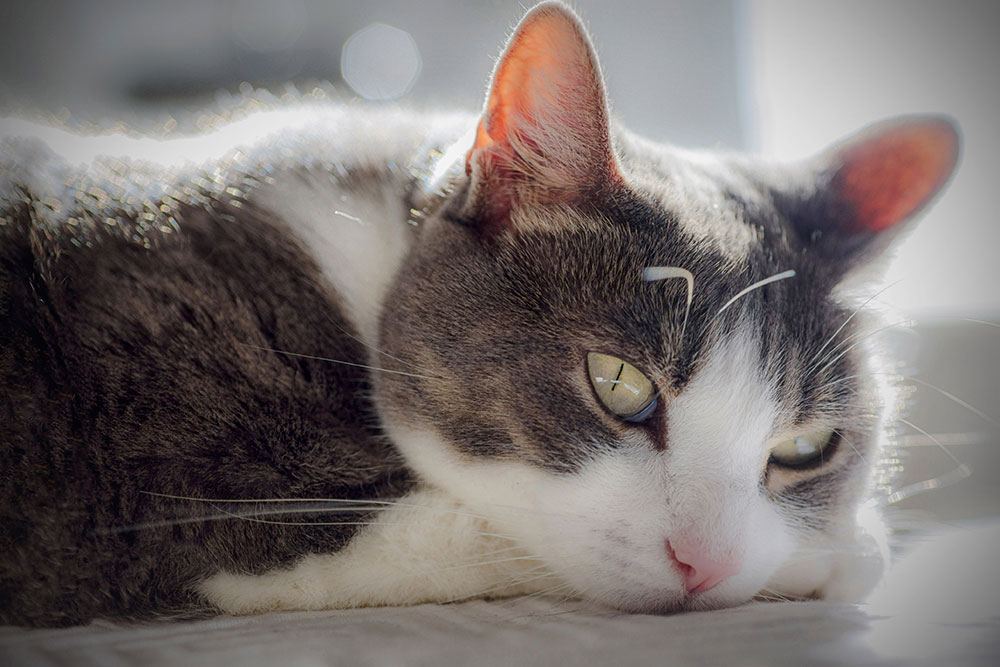
When training and enrichment aren’t enough, medical interventions can help manage severe separation anxiety. These tools work best alongside behavioral modification, not as replacements.
- Pheromone diffusersrelease calming scents that mimic the natural signals mother dogs and cats produce to soothe their young. These pheromones can calm pets and reduce stress without sedation.
- Nutraceuticals, supplements containing ingredients like L-theanine, melatonin, or casein, support relaxation and emotional balance. These over-the-counter options are gentle and often effective for mild to moderate anxiety.
- For severe cases, anti-anxiety medicationsprescribed by a veterinarian may be necessary. These medications adjust brain chemistry to reduce panic responses, making training more effective. They’re not sedatives, and they help pets feel calm enough to learn new coping skills.
Our team at Driftwood Animal Hospital can evaluate your pet’s anxiety level and recommend appropriate interventions. We’ll work with you to create a comprehensive plan that addresses both the emotional and physical aspects of separation anxiety. Request an appointment to discuss your pet’s specific needs.
Helping Your Pet Feel Safe and Secure
Separation anxiety is treatable. With patience, structure, and veterinary partnership, most pets learn to relax when home alone. The goal isn’t to eliminate all anxiety overnight, but to build confidence gradually and help your pet trust that you’ll always return.
At Driftwood Animal Hospital, we’re here to support you through every step of the process. Whether your pet needs behavioral guidance, medical intervention, or simply a compassionate team who understands the challenges you’re facing, we treat every animal like family.
Call us or contact us to schedule a consultation. Together, we’ll help your pet feel safe, secure, and confident, even when you’re not home.





Leave A Comment